Tuesday, March 21, 2017

Supporting Muslim Brothers: How Some Leftists Betray the Muslim Left

Wake Up US Left....!

One of the first concern a Third World leftist to observe within the US Left movement is their misunderstanding of the political map of immigrants and refugees world in the US. To the contrary, a leftist from that part of the globe is always aware of the political/religious map of the US even before they land here. 

What frustrate liberal Muslims from these categories, Refugee and Immigrant, is how a large sector of the US Left is siding with the conservative Muslims and not the Liberals. The Liberals left their countries mainly because persecution by conservative policies that forced on them by conservative political religious/groups like Muslim Brothers (see logo above) and their affiliates in the Untied States

However, they see their supposedly allies in the US are taking the side of their perpetrators. This was clear during massive peace movement against the war in Iraq back in 2003, where Left orgs sided with or preferred to deal with conservative right-wing Muslim groups like Council on American–Islamic Relations North American Islamic TrustIslamic Society of North AmericaMuslim American Society, etc.    

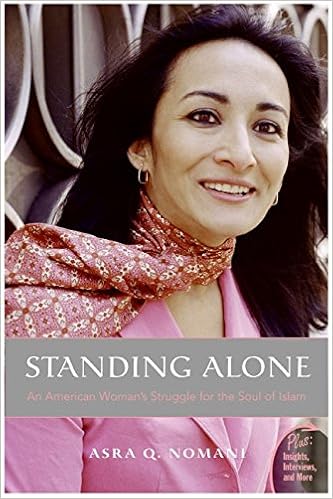
Liberal Muslim activists and Orgs (such as Muslims for Progressive Values and its predecessor PMU) were usually coming second for the US Left. This is mainly because some of the conservative Muslim groups were not happy with advocated liberal ideas of the Muslim Left that were calling for a different interpretation of the Holy Book of Quran (such as Asra Nomani). 

A liberal immigrant/refugee manage to read the political map very clearly. He/she easily identifies the right wing groups (political and religious) and publicly criticizes them with no fear. We attack Rush Limbaugh  even he airs lot of materials against Muslim Brothers in Egypt or Sudan, for example.   Why not the US Liberals (well, some to be accurate) don't see how wrong they are betraying their comrades in the Third World? 

My Enemy's Enemy should not be my Friend !

I discussed this concern with many Leftists in Philly and Amherst and most of the time they don't get it !
Is this difficult to understand?! You understand what are these conservatives are doing to liberal muslims back in countries they are in control? Fo God sake they are killing people for having liberal views you enjoy here and consider your basic right !!


Monday, March 20, 2017

Yes, We Can Make Islam a Contemporary Religion !

It's time to reclaim Islam from the fanatics. Here's how

Can my religion be reconciled with free expression? The answer is yes

Irshad Manji
Source: The Spectator

I am not a moderate Muslim, I am a reformist. Rooting out corrupt practices can never be an act of mere moderation. Restoring integrity, or wholeness, is always a radical act. It transcends notions of left and right, emphasising the need to think independently. In Islam, independent thought has a strong history, not that you’d know it from the news about bombings, beheadings and bloodshed. ‘Jihad’ has become part of the West’s vocabulary and with good reason. But there is a lesser-known term in Islam — one that has the capacity to change the world for good.
The idea is ‘ijtihad’, Islam’s tradition of questioning and reinterpreting. And it is absolutely fundamental to the spirit of the Qur’an. Islam’s scripture contains three times as many passages urging Muslims to think and rethink than verses promoting blind worship.
That’s nice in theory, but what about in fact? In the Islam of a millennium ago, ijtihad flourished. It was no coincidence that Islamic civilisation led the world in curiosity, creativity and ingenuity. But then the sun set on Islam’s golden age. Invaders from North Africa pillaged the pluralism of Muslim Spain. From Cordoba to Baghdad, much of the Islamic empire lapsed into defensiveness. Out of 135 schools of Sunni thought, just four survived. The gates of ijtihadnarrowed and in some places closed, legitimising rigid readings of the Qur’an. To this day, Muslims still struggle with the idea of independent thought.
But a new generation of Muslims are pushing the boundaries. In growing numbers, we are speaking our truths to self-appointed authorities, be they our parents or their imams. I can attest to this because young Muslims have been sharing their stories with me since I wrote my book, The Trouble with Islam Today. It was published ten years ago, with the predictable noise from offended Muslims drowning out the support from many others.
Those others, often the children of conservatives, wrote to me about their desperation for a Muslim community that accepts their interfaith relationships. In 2007, I used my blog to publish a blessing of Muslim-Christian love, written in English by a scholarly imam who reinterpreted the Qur’an. It was downloaded so often that I had it translated into 20 more languages.
Last year, Al Jazeera aired an intense debate about Muslim reform between me and the British commentator Mehdi Hasan. Hate mail followed. So did love bombs. But I did not receive any death threats. To be sure, the reality remains that those who shatter age-old taboos within Islam do have to fear for their lives. While it is true that every religion has its extremists, in no other religion do mainstream believers routinely shrug off the murder of dissenters. This is a life-and-death difference. All the more reason for ijtihad to be revived in the 21st century.
Nowhere does the necessity of ijtihad seem more urgent than in the wars over freedom of expression. One might say that the UK led the way. More than 25 years ago, a puny hive of British Muslims demanded the death of novelist Salman Rushdie even before Iran’s Ayatollah Khomeini issued his infamous fatwa.
AdTech Ad
Earlier this year, I watched the British brouhaha over my friend Maajid Nawaz, the prospective Liberal Democrat candidate for Kilburn and co-founder of the counter-extremism outfit Quilliam. Nawaz had tweeted a cartoon called Jesus and Mo. Jesus to Mo: ‘Hey!’ Mo: ‘How ya doing?’ The end. That was it. Two top-tier prophets swapping props.
The problem for some Muslims is that, according to tradition, Muhammad cannot be depicted in image lest he become an object of worship. But by insisting that he cannot be drawn under any circumstances, these Muslims make the prophet off-limits to anyone who does not believe as they do. They thus turn Mo into, well, an object of worship. It leaves a lot of us wondering what, if anything, has been learned since the Danish cartoons fiasco eight years ago.
Then, you will recall, a handful of journalists, politicians, diplomats and mullahs in Denmark engineered an epic cultural crisis. Months earlier, the newspaper Jyllands-Posten had published images that supposedly mocked the Prophet Muhammad. Even after the paper apologised, the controversy grew. In different parts of the world, Muslims who rioted against Danish insensitivity silenced the more reasonable voices within their faith.
At the time, I received a lot of emails, mostly from young Muslims. ‘I am even more offended by the riots than by the cartoons!’ exclaimed Mahmood, a student whose reaction typified many others’. Fed up with one upheaval after another, the Muslims who contacted me channelled their frustration into an urgent sense that Muslims need to reform ourselves.
The question is simple: can Islam be reconciled with free expression? The answer is yes. The Qur’an points out that there will always be nonbelievers and that it is for God, not for Muslims, to deal with them: ‘The truth is from your Lord, so whoever wills — let him believe; and whoever wills — let him disbelieve.’ (18:29). Moreover, the Qur’an states that there should ‘no compulsion in religion’. (2:256). Nobody should be forced to treat tradition as untouchable, including traditions that result in the messed-up Muslim habit of equating our very human prophet with an inviolable idol. Monotheists are to revere one God, not one of God’s emissaries. That is why humility requires people of faith to lampoon themselves, and each other, once in a while.
I can hear the reaction already: as a reformist, I am cherry-picking verses from the Qur’an. Given that the call for reflection suffuses the Qur’an, I am on terra firma in highlighting such little-known verses. It is my detractors who select on the shaky grounds of their own politics. After all, they ignore progressive Qur’anic passages, another one being about the liberty to choose one’s faith: ‘Unto you your religion, unto me my religion’ (109:6). While serving as grand mufti of Egypt, Sheikh Ali Gomaa quoted it to conclude that if a Muslim leaves Islam, no power in this earthly realm has the right to punish him or her. The verdict shocked Muslims in Egypt and beyond. Cultural conditioning dies hard.
That raises a new question. When Islam’s beloved messenger is satirised, should Muslims sit there and take it? Our scripture recommends that we cordially walk away from those who ridicule the faith. It also advises that we remain open towards the offenders. Pack up in peace, then pick up the conversation once the dust settles. Granted, this is not Socrates’ approach to dialogue — relentless, remorseless cross-examination — but neither does there have to be the unctuous exchange of platitudes that so often passes for interfaith dialogue.
During the Danish firestorm, the Muslims who contacted me demonstrated that we do not think uniformly. Some even challenged me to plaster the cartoons on my own website. After much consideration (as encouraged by the Qur’an), I posted links to all the caricatures. Among them were sketches depicting Muhammad as a paedophile and as a pig — images which had been fabricated by ultra-conservative Danish imams who falsely attributed them to Jyllands-Posten.
Hours after I uploaded the links, several readers emailed me in trepidation. Lise, a woman from Quebec, captured the sense of fear. ‘I am very happy that Canada does not publish these caricatures,’ she said. ‘We do not need the Islamic reaction.’ I agree. We do not need the Islamic reaction. We need diverse Islamic reactions: applause, revulsion, dismissal, embarrassment, nonviolent protest and peals of laughter.
The time has come for more of us, Muslim and non-Muslim, to hold the would-be censors to account by demonstrating moral courage. During my book tours, a pattern has emerged: on the campuses of western universities, good-hearted people whisper that they support my mission to reconcile Islam and freedom. Muslims fear community disapproval. Non-Muslims are terrified of being labelled bigots. Meanwhile, the Islam-supremacists who attend my lectures feel they have every right to champion their authoritarian interpretations of the Qur’an. The loathers of freedom appreciate their own freedom enough to deploy it to stifle the freedom of everyone else.
My call for moral courage is not about confrontation, but conversation. Ed Husain, the former jihadist who co-founded Quilliam, says he became radicalised in part by British society’s low expectations of him as a young Muslim. ‘Nobody ever said: you’re equal to us, you’re one of us, we’ll hold you to the same standards,’ he explains. ‘Nobody had the courage to stand up for liberal democracy without qualms. When people like us were holding events against women and gay people, where were our college principals and teachers?’
Those educators would only have needed to cite chapter 3, verse 7 of the Qur’an. It states that God and God alone knows the full truth of how the Qur’an ought to be interpreted. (The genius of this verse soon dawns on those who try refuting it with their seemingly superior knowledge.) Suppose the defenders of liberal democracy took five seconds to scrawl ‘Qur’an 3:7’ on pieces of paper and calmly handed them to the Islamists in their midst? No doubt, any such gesture will be greeted with the cry of ‘Islamophobe!’ You can set your clock to it. The obvious response to that is: ‘Why does encouraging dialogue make me an Islamophobe? Would I not be keeping my distance — out of fear — if I were phobic?’ Conversations start with searching questions.
This brings me to sound one cautionary note. Islamophobia does exist, and it infuriates me that some who wish to wipe Islam off the map actually believe that their agenda helps reformist Muslims. It does not. By defining Islam in the same dogmatic terms as Muslim extremists do, Islamophobes gift those extremists with the authority to decide what Islam must be. In which case, Islam-haters are the allies of Islam-supremacists — not of reformists.
For me, embracing freedom is an act of faith. Recognising the Almighty’s infinite wisdom means acknowledging my limited human wisdom. As a monotheist, I am not God. Nor am I entitled to behave as God. Hence my duty to let a thousand nonviolent flowers bloom. In short, to devote myself to Allah is to love liberty.
Irshad Manji is founder of the Moral Courage Project at New York University. She is the author most recently of Allah, Liberty and Love.

Monday, December 10, 2012

Haja Zeinab: Islam is Peace.


Haja/Zeinab Omer

"I was raised in a community very tolerant and very diverse in the 1920s in Cairo. In one building, we lived Muslims, Christians, and Hews together. As neighbors, we used to baby sit each others kids and feed them. We shared food during each religious Holidays. Islam, like all other religions meant peace and tolerance. That was and is my religion. period."

Haja/Zeinab O. Elzebair (84 years), went to Haj, Pilgrimage, four times in Mecca. She is a strong believer in the peace message of Islam and any religion.
She gave a very moving speech at the Human Rights day Forum in Amherst, MA on Dec 9th, 2012.

Saturday, December 01, 2012

Human Rights Challenges in the Muslim World

A perfect timing to discuss this major concern for human rights defenders in countries ruled by draconian religious laws.
What a better example than Iran?
Human Rights Challenges in the Muslim World: The Case of Iran”

Wednesday, July 11, 2012

No to the Salfai Shari'a Laws

from the website of www.alfikra.org
الدعوة لطريق محمد وتطوير التشريع
دعا الاستاذ محمود  الى تقليد النبى محمد صلى الله عليه وسلم كمنهاج للسلوك الدينى بهدف توحيد القوى المودعة فى الانسان ، من قلب وعقل وجسد ، والتى وزعها الخوف الموروث والمكتسب ، ثم الى تطوير التشريع الاسلامى بالانتقال من الآيات المدنية التى قامت عليها بعض صور الشريعة ، الى الآيات المكية التى نسخت فى ذلك الوقت لعدم تهيؤ المجتمع لها ، حيث الدعوة الى الديمقراطية والاشتركية والمساواة الاجتماعية ، المدخرة فى أصول الدين ، وقد بسط الاستاذ محمود فكرته فى آفاقها الدينية والسياسية والمعرفية بعلمٍ واسعٍ ، وحجةٍ ناصعةٍ ، وصبرٍ على سوء الفهم وسوء التخريج وسوء القصد الذى قوبلت به فكرته من معارضيها ، حتى ذهب يقينه بفكرته واخلاصه لها ، والتزامه ايّاها فى اجمال حياته وتفصيلها، مثلا فريداً فى الدعاة والدعوات
المساواة الاجتماعية وحقوق النساء
كان موضوع المرأة من اهم المواضيع التى عالجها الاستاذ محمود فى فكرته ، حيث دعا الى تطوير التشريع فيما يختص بشريعة الأحوال الشخصية ، والى وضع المرأة من حيث التشريع فى موضعها الصحيح ، بعد أن تعلمت وتسنمت الوظائف الرفيعة ، متجاوزا بذلك القصور الفكرى الذى ظل ملازما للفكر الاسلامى السلفى تجاه وضع المرأة فى التشريع الدينى ، ومتجاوزا دعوات تحرير المرأة التى هدفت لمحاكاة الغرب، ومقدما فهما جديدا مستمداً من اصول الدين ، يقوم على مساواة الرجال والنساء أمام القانون وفى النظام الاجتماعى ، انطلاقا من فكرة تطوير التشريع الاسلامى ، واستلهاماً أكبر لغرض الدين فى الحياة الحرة الكريمة للنساء والرجال على قدم المساواة. وقد كان أكبر تجسيد لدعوة الاستاذ محمود الى تطوير وضع المرأة الدينى هو المرأة الجمهورية نفسها ، فقد دخلت تلميذات الاستاذ محمود من الجمهوريات التاريخ كأول طليعة من النساء تخرج للدعوة الى الدين بصورة جماعية ومنظمة ، فى ظاهرة فريدة ظللتها قوة الفكر وسداد السيرة وسمو الخلق

Thursday, May 26, 2011

Persecution of Baha'is continued in Iran

Source: * This article has been updated to reflect new information on the number of arrests in connection with the BIHE raids.

GENEVA — A coordinated series of raids have been carried out on the homes of several Iranian Baha’is, active in a community initiative to provide a higher education program for young members who are barred from university.

Reports indicate that raids took place on Saturday 21 May on as many as 30 homes in Tehran, Karaj, Isfahan, and Shiraz. It is now understood that some 14 Baha’is have been arrested.

“All of the targets were homes of individuals closely involved with the operations of the Baha’i Institute for Higher Education,” said Diane Ala’i, representative of the Baha’i International Community to the United Nations in Geneva.

The Baha’i Institute for Higher Education (BIHE) was established in 1987 as a community initiative to meet the educational needs of young Baha’is who have been systematically denied access to higher education by the Iranian government. The BIHE has been described by the New York Times as “an elaborate act of communal self-preservation.”

Wednesday, January 26, 2011

The Cruelty of Sharia Law

From Facts & ArtsThe Cruelty of Sharia Law is Not a Western Perception but an Islamic Reality by Tawfik Hamid

Dr. Tawfik Hamid (aka Tarek Abdelhamid), is an Islamic thinker and reformer, and one time Islamic extremist from Egypt. He was a member of a terrorist Islamic organization JI with Dr. Ayman Al-Zawaherri who became later on the second in command of Al-Qaeda. Dr. Hamid is currently a Senior Fellow and Chair of the study of Islamic Radicalism at the Potomac Institute for Policy Studies.
15.10.2009


President Barack Obama's adviser on Muslim affairs, Dalia Mogahed, has provoked controversy by appearing on a British television show hosted by a member of an extremist group to talk about Sharia law, the Daily Telegraph reported on October 8, 2009.

Ms. Mogahed, an appointee to the President's Council on Faith-Based and Neighborhood Partnerships, said the Western view of Sharia is "oversimplified," and that the majority of Muslim women around the world associate Sharia with "gender justice."

The White House adviser made the remarks on a London-based TV discussion programme hosted by Ibtihal Bsis, a member of the extremist Hizb ut Tahrir party.

Hizb ut Tahrir believes in the non-violent destruction of Western democracy and the creation of a global Islamic state under Sharia law.

Mogahed said: "I think the reason so many women support Sharia is because they have a very different understanding of sharia than the common perception in Western media". Her views on this matter are similar to the conclusions that she made of her survey in the Muslim world which she summarized in her 2007 book Who Speaks for Islam? What a Billion Muslims Really Think, co-authored with John L. Esposito.


What matters in this story is not that Mogahed's comments were said to a Hizb ut Tahrir member, but rather the lack of factual reality about Sharia law contained in her statements and conclusions.

At the theoretical level, Sharia books teach and instruct the followers of Islam to implement cruel and inhumane treatment for women, such as beating wives and stoning them for committing adultery. Endorsements of polygamy and underage marriage are also established teachings of Sharia Law. These concepts, which clearly discriminate against women, are unchallenged in the mainstream Sharia books.


It would have been much better if Dalia Mogahed, instead of blaming Sharia cruelty on Western perception, had mentioned to the audience the name of even a single approved Sharia book that stands clearly against these inhumane teachings.

In Mogahed's survey, female Muslim respondents might well have said that Sharia represents justice simply because criticizing Sharia Law can create major trouble for these women in their societies. In addition, based on traditional ways of teaching Islam, denying a well established and approved Islamic law (called in Sharia: "Maaloom Mina Al-Deen Bil Darura,") such as any of the former laws, makes the critic an "apostate," who deserves to be killed by the Muslim society and who will then "go to hell to be tortured forever". Such a fear of punishment can impede an honest critique of Sharia law in the Muslim world, thereby casting doubt on the accuracy of the conclusions driven from the survey.

Asking a Muslim living in a Muslim society about his views about Sharia is like asking a German living under the Nazis or a Russian during Stalin's era about their views regarding Nazism or communism, respectively. Can we expect to receive honest answers to such questions? The fear of punishment for criticizing the system can completely override people's free will and impede their ability to give honest responses.

When I was young and living in the Muslim world we used to brag that Islam is the ONLY religion that gives women their rights, and that polygamy, beating women, and stoning them for adultery represents wisdom that is beyond our human comprehension. Our fear of criticizing such teachings or interpretations prevented us from being able to give an unbiased evaluation of Sharia law.The research of Ms. Mogahed should have sought to eliminate this element of fear or to use indirect evaluation methods; given that she did not, it is hard to draw reliable conclusions from of her research. There is no single piece of evidence in Mogahed's book that suggests that the fear factor was considered in the evaluation process or that her statistics were corrected for this bias.

It is also important to note that the questions that were asked of Muslim women as described in this book were rather non-specific; thus, it is difficult to use them to give an accurate evaluation of Sharia. For example, there is no single question in the above mentioned book that asks specifically about the violent edicts of Sharia law.

It can be extremely inaccurate to evaluate the reality of Sharia by simply doing a questionnaire asking for the views of Muslims about it. As an analogy, what if we asked Bin Laden about Sharia law? He would likely tell us that "it represents justice." In his view, the killing of infidels is justice! The same concept applies to Ms. Mogahed's questionnaire.

For example, when Muslim women in the survey say that Sharia represents justice, this does not necessarily mean that those women consider beating women, polygamy, or stoning for sexual misconduct to be forms of injustice. The questions should have been tailored to ask about specific laws such as beating or stoning of women, rather than general points.

Furthermore, at the practical level, all the current systems that implement Sharia Law-such as those in Saudi Arabia, Iran, Taliban-controlled Afghanistan and Pakistan, and parts of Somalia-legalize the above-mentioned barbaric teachings against women. It would have been better if, instead of trying to convince her Western audience that Sharia law is fair to women, Ms. Mogahed had given the audience one single example of a country that applies Sharia law and at the same time forbids polygamy, beating of women, or stoning. In fact, the Muslim countries that do not legally discriminate against women or justify cruelty to them, such as Turkey and Tunisia, are only those countries that refuses to implement Sharia Law, relying instead on secular laws.

To conclude, if all approved Islamic Sharia books and all the systems that apply Sharia accept or practice the previously mentioned barbaric treatment of women, then how come Ms. Mugahed is trying to sell the idea that Sharia law is fair to women? As mentioned earlier, the view of some Muslim women that Sharia law represents justice could stem from extreme fear of criticizing an Islamic law, or it may represent a form of cultural pride that prevents many Muslims from openly criticizing their traditional teachings. If all Muslim women were to say that Sharia Law is just in its treatment of women, this would not make it true, as the terrorists would also claim that Sharia law legalizing fighting infidels to subjugate them to Islam is a just law. Some people's perceptions about Sharia Law do not change its fundamental nature. The only way to change the Western perception about Sharia is to change its reality.

Sunday, January 02, 2011

On the Origins of Political Islam


by Hisham Osman Adam EisaDec. 2010يعيش العالم العربي والاسلامي منذمايربو علي ثلاثة عقود افرازات ما كان يعرف حينها باسم( الصحوه الاسلاميه)وهي ظاهره لها جذورها الاجتماعيه,التاريخيه ولها دينامياتها النفسيه وتتفاوت تجلياتها قوه وضعفا من بلد لاخر.وللخروج بنتائج عامه حول طبيعه اتجاهات ونوع تطلعات الجماعه الدينيه المشتغلة بالسياسة,ينبغي النظراليها ضمن المعطيات التاريخية المحددة لنشأة الظاهرة وتطورها وينبغي ايضا استشفاف مفعول تلك المعطيات التاريخية في تشكيل ملامح وخصوصية العلاقة بين الديني والسياسي.
فعند الكشف علي الجذور التاريخية لمسار الحركات الدينية المعاصرة لابد من استخدام المنهج التاريخي واستقراء تاريخ كل عنصر من عناصر هذه الظاهره ولابد من استخدام المنهج الوصفي ايضا لدراستها من حيث هي واقع قائم.

والجماعة الأم التي وضعت حجر الأساس لبناء الإسلام السياسي كانت في مصر المعاصرة ثم تفرعت من تلك الجماعة كما هو معروف جماعات دينيه لا تزال تعمل في ميدان الإسلام السياسي , ودراسة جماعات الإخوان المسلمين أو الالجماعه الام في ايجاز غير مخل لهي مطلوبه في هذا المقام لاعتبارين:
الاول : الكشف عن الجذور التاريخيه للاسلام السياسي المعاصر ,كيف استنبتت جذوره وكيف اينعت واثمرت ثماره.
الثاني : إن جماعه الاخوان المسلمين الام ما زالت تعمل في ميدان الاسلام السياسي جنبا الي جنب مع الجماعات الفروع .
ويدخل في يقين كاتب هذه السطور إن الإسلام السياسي بتعدد أطيافه وبتباين روافده وتياراته لايعدو كونه ( ظاهره تاريخيه) اقصي سقف لمردودها الانساني هو أدلجه المصالح الوقتيه للشرائح المرتبطه بالظاهرة ارتباطا تاريخيا ووجدانيا وانسانياوباقل القليل من من الكدح الفكري , لذلك هي مجرد ظاهرة لا تدخل في عداد المناهج الفكريه ذات الطبيعة المدرسية . ودراسه ظاهرة بهذا التوصيف لن تكتمل إضاءة مشهدها بمعزل عن التعرف علي الشخصيات التي كان لها دور فعال في حياة هذه الجماعة منذ النشأة الاولي لها والي إن تشعبت وأصبحت جماعات لا جماعه واحده .
والشخصيات التي يعرف لها هذا الدور الفعال في حياة جماعه الإخوان المسلمين فيما نري , ثلاث شخصيات ؛ حسن البنا ,عبد القادر عوده , سيد قطب .لعب الأول دور المنشئ للجماعة _الباني للتنظيم الهيكلي , والمحدد لمضمون الدعوة واهدافهاووسائلها .
بينما لعب الثاني دور المفكر الذي يقوم بعمليه التاصيل , حيث يرد كل فكره تتبناها الجماعه الي أصولها الدينية . مبينا وشارحا عبر عمليات تنظير تنتهي دائماالي إن ما جاء به الإسلام هو الأفضل , وهوالذي يقدم الخير للبشرية ويسعد الناس فهو من صنع الله وليس من صنع البشر .
اما الثالث , فقد لعب حسن ظني الدور المهم في حياه جماعه الإخوان المسلمين وفي حياة جماعات الإسلام السياسي التي تلت ,بما ادخله من تغيرات وتعديلات علي فكر الجماعة الذي كان تلقينيا, ذو قوالب جامدة في التعاطي فعرفت الجماعة علي يديه الحوار الساخن والجدل العنيف والاستقطاب الفكري وانتهي الأمر إلي وجود تيارات ثم جماعات تدعو لفكرها وتعمل لحسابها الخاص
ونحن إذ نقف مع كل واحد في هؤلاء الثلاثة لنتعرف في غير استطراد علي المساهمة التاريخية لكل .
حسن البنا هو الشخصية التي حملت نفسها مسئوليه تكوين هذه الجماعة في مصر أولا ثم في مختلف البلدان الاسلاميه ثانيا .
والمسار التاريخي لحياه حسن البنا قبل تكوين هذه الجماعه يكشف لناعن بعض من الوقائع التي كان اثرها البالغ في توجيهه الوجهة الدينيه تلك .
فقد ولد حسن البنا وعاش في بلده المحموديه وهي مهد الطريقه الحصافيه وقد كان في صباه ومطلع شبابه من اتباع ومريدي الشيخ عبدالوهاب الحصافي الذي كان معروفا بانه دائما ما يوصي اتباعه ومريديه بمجاهده الزنادقه والملاحده والمبشرين ولعل حسن البنا استبطن نزعه شيخه تلك وتاثر بها وصبغ بها تدينه الشخصي ومن ثم صارت تلك النزعه ذات اثر بالغ في عمل وفكر الجماعه .
ويحكي انه كان في بلده المحموديه ارساليه انجيليه تبشيرية , تعلم التطبيب وفن التطريز وتأوي اليتامى , ثم تأسست كرد فعل لتلك الجمعية في المحمودية , جمعيه تاخذعلي عاتقها مواجهة ما تقوم به الارساليه من عمل وتدعو إلي مقاومه المنكرات , وتلك هي الجمعيه الحصافيه الخيرية . وكان حسن البنا هو السكرتير لهذه الجمعية .وبالتالي فان مقاومه التبشير التي لازمت بدايات فكر وخطاب الإخوان هي من رواسب تلك الوجهة التي وجهته إليها الطرق الصوفية الحصا فيه وهي كانت طريقه ذات سمات خاصة, إذ كان يقوم خطابها علي جمع غير موفق بين الصوفي بنهجه الدعوي التسامحي والسلفي بغلواءه المتشدده . ولكن كل تلك الوقائع لم تجعل من حسن البنا الانسان المنصرف الي العمل السياسي , فلم يتحقق له ذلك الا بعد إن انتقل الي القاهره طالبا في مدرسه دار العلوم واخذ يغشي مجالس رجال الفكر الديني وقد ذكر ذلك بنفسه في كتابه (مذكرات الدعوه والداعيه) .
وانه في تلك المرحلة بالذات ,كان قضيه نظام الحكم في الإسلام مطروحة بعنف ,يطرحها رجال الدين وكذلك رجال السياسة ويتحاورون حول كل بعد من إبعادها .
وكان الدافع لذلك كله إن كمال اتاتورك الغي منصب الخلافة وعزل الخليفة واحل محل نظام الخلافة النظام الجمهوري المؤسس علي المبدأ السياسي _مبدأ القوميات. وقد اثأر هذا الصنيع من أتاتورك العواصف ورأي البعض إن الأخذ بنظام الحكم الوارد من الغرب وإحلاله محل ما يعتقدون بأنه النظام الديني الإسلامي هو خروج علي الإسلام
.

Wednesday, October 28, 2009

On the History of Progressive Islam

source: http://www.othermalaysia.org/2009/07/29/does-progressive-islam-need-a-genealogy/

Does Progressive Islam Need a Genealogy?

By Farish A. Noor ~ July 29th, 2009.
(Note: This is a summary of the paper I gave at the Conference on Progressive Islam and its Global Challenges organised by the Sharif Hidayatullah Islamic University (UIN) in Jakarta over the weekend. – Farish)

History has the curious effect of rendering permanent, firm and stable things that are contingent and even radically so. More often than not the recourse to history is precisely a search for the sort of stability and certainty that many a political project needs, as if without the benefit of a long history behind it a new idea is rendered novel, contingent and possibly even dismissed as being out of place and out of time. But herein lies the irony of the situation: for in our search for origins and the false comfort of an immutable history, have we forgotten the fact that almost all the great ideas that have shaped the development of human civilisation were, at the point of their genesis, radically contingent and outside the frame of the ordinary as well? Its not for nothing that revolutionary ideas are historically revolutionary as well.
Which brings us of the past, present and future fate of this thing called ‘Progressive Islam’.

Progressive Islam is not a new school of thought or some fad that is a symptom of the post-modern times we live in. Progressive Muslims are not re-inventing Islam or re-writing the Quran and Hadith, anymore than progressive Christians, Hindus or Buddhists are reinventing Christianity, Hinduism or Buddhism. What all these religious progressives have in common is the earnest wish to translate the meaning and ethical import of their respective faith and belief-systems into social and political realities that are keeping with the spirit of the times we live in, for fear of the fact that if the normative aspects of lived religiosity do not tally and concur with the ethical norms and the phenomenal discoveries of the modern age then religion will simply be reduced to a relic of the past and religiosity will be reduced to empty meaningless rituals.

Of course the development of progressive Islamic thought has a history to it, in as much as the development of progressive Christian thought can also look back to the past to seek assurances of dogmatic conformity and exemplary models to emulate. In the case of progressive Islam, progressive Muslims today look back to the models that were set by the likes of al-Ghazali, ibn Rushd, ibn Khaldun et al. It was ibn Khaldun who pioneered what would later come down to us as modern political sociology, in his landmark work the Muqadimmah. Ibn Khaldun’s emphasis on the role played by human reason and agency as the central motor to history was revolutionary at the time as it placed human beings at the centre of the phenomenal world, and relegated to the margin the effects of fate, chance and even divine intervention. It was Khaldun who insisted that the rise and fall of nations was due to human beings and their actions, rather than being fated or determined by metaphysical or supernatural forces.
Yet we also know that the works of men like Khaldun were never really rendered mainstream in Muslim intellectual culture and that Khaldun was later brought back to global prominence thanks to the works of non-Muslim European thinkers like Rosenthal instead. Likewise it was in Western Europe that Muslim rationalism flourished the most, where it served as one of the basis for the Western Enlightenment project and by doing so laid down some of the foundations of Modernity.

Thus for progressive Muslims today to claim that their efforts to liberate normative Muslim religiosity from the shackles of outdated tradition, patriarchy, neo-feudalism etc can be so easily traced back to a singular tradition of Muslim rationalism that is somehow meant to be linear and deterministic is a case of over-simplification at best. There are no historical reasons or evidence to prove that the road from al-Ghazali leads us directly and immediately to Muslim rationalism today. We may search the annals of the past to seek models of yore, but there have also been huge gaps between the past and the present when the tradition of Muslim rationalism was so weak as to appear almost dead and non-existent.

So what then are the uses of history and genealogy? If not to offer some solace in past models, what can history to for us today?
The answer to the question lies in part in what sort of history we are talking about and what we hope history will do for us. If ‘history’ is to be understood in the narrowest sense of being merely an accurate objective record of what happened where and why, then history is at best a record of data and dates, and little else. But if we were to attempt a different approach at reading history, one that is akin to the approach of Foucault where history is instead read as a history of power-relations, hierarchies and histories of silencing, marginalisation and foregrounding, then we may be getting somewhere.

For what we need to know more than ever is not whether there were rational progressive Muslim thinkers like al-Ghazali, ibn Rushd or ibn Khaldun, but rather how and why were their ideas deemed relevant and important at one stage and then dismissed, censured and erased at another. What kind of history we need is not merely a history of ideas but also a history of the institutions and opportunity structures that render some ideas palatable – or even vitally necessary – and other ideas repugnant at different stages of a society’s development. In short we need to ask who were the ones who rendered the tradition of Muslim rationalism redundant, dangerous and anathema to Islam, and why?
For this is the nature of the struggle that progressive Muslims (like their Christian, Hindu and Buddhist counterparts) are facing today: While progressive Muslim theologians, scholars and activists continue to try to break down the hegemony of outmoded forms and norms of thinking, they are being derided and condemned by their co-religionists as ‘enemies of the faith’ (and of course the secret agents of America, the global Zionist conspiracy, Western capitalism and other nasty things.) Yet as we have seen elsewhere and in other faith communities, the struggle to evolve and develop one’s outmoded forms of religious thinking can also bring about results as long as we understand that the struggle is a fundamentally political one. Apartheid in South Africa, for instance, was justified by conservative Christians on religious grounds, and it was challenged by progressive Christian activists who engaged with scripture but with the intention of challenging political realities at the same time.

Today Progressive Muslims need to do the same thing and realise that our struggle to liberate the public domain of Muslim society is a fundamentally political struggle that has to work with and also against institutionalised forms of power, control and hegemony. History may give us some models and examples of how this was attempted centuries ago by Muslims who were regarded as modern and progressive then, but history cannot win the struggle for us today.
Which brings me back to the question: Does progressive Islam need a history?
Well, in a sense all new ideas are at the outset ahistorical. At the moment of Islam’s genesis there was no history as there was no precedent. The day after the first Muslim was converted and the community came into being, Islam’s history was 24 hours old. Yet despite its newness Islam’s message was no less relevant for not having a past. As it is with Islam, so was it with all the faith systems that are built on revealed knowledge. All the major religious and belief systems of the world were likewise ahistorical at the outset, and their endurance, spread and survivability depended not upon history – for there was no determinism or teleology involved here – but rather thanks to the engagement with real structures of power, dominance and counter-hegemony.

Progressive Muslim intellectuals today should therefore be cautious about falling back on history as if history immediately affords an idea with a certain epistemic worth that it might otherwise not possess. For a start, even the most reactionary and conservative Muslim or Christian would also fall back on history for some sense of temporal grounding, and again the case of the use and abuse of Christian dogma as a justification for Apartheid comes to mind. Just because someone quotes historical facts to you does not mean that she or he is immediately correct: in effect the person might just have a good – albeit selective – memory!

The second related worry about relying too much on history would be that if history is going to be the bulwark for every transformative project of social liberation and advancement, then there can be no real radical, revolutionary changes to any society for every new development will immediately be subsumed under the register of historical continuity and sameness. Yet we forget that for religion to have its radical, transformative and liberating potential it also needs to retain its radical distance from social norms and conventions that are outdated and ossified. Progressive Islam needs to have teeth, and be able to bite off the redundant and oppressive aspects of normative Muslim life that have become so profoundly unjust that they no longer concur with the prevailing mood and ethics of our times. But no progressive tradition can have this transformative potential if it immediately situates itself in the comfort zone of historical continuity and sameness.

Sometimes, it pays to be ahead of time or even out of time. And that was certainly the case with all the Prophets of the past.

Friday, April 24, 2009

هيئة علماء السوء....!

It's the same org that supported President Albashir in all his crimes against Sudanese people over the past 2 decades...No wonder!

بيان من هيئة علماء السودان
حول مفتريات ياسر عرمان


بسم الله الرحمن الرحيم
الصلاة والسلام على من كان غضبه في الله ورضاه وعلى آله وصحبه أولئك الذين كانوا يقومون بالدفاع عن بيضة الإسلام وشرعة المسلمين وكانوا يحكّمون دين الله حيث هو المنهج القويم .. وبعد .. فهذا بيان للأمة وخطابٌ إلى شعب السودان الذين يدينون بدين الإسلام نقول إن كتاب الله تعالى هو أجلّ كتاب وأسمى خطاب وقد تطاول عليه من تربوا في أحضان الكفر ورضعوا من ألبان الجهل حيث خرجوا على الناس بأعظم فرية وأقبح قولة أن تطبيق حدود الله وإقامة شرع الله إهانة للإنسان السوداني ما قالها هذا القائل إلا وهو يضمر شراً وينوي سوءً خروجاً على ما إتُفق عليه وصداً عما إستُوثق به وجرياً وراء الأسياد من وراء البحار،

أن المنحرفين إستفادوا إنحرافهم من المخالطة لغيرهم من اليهود والنصارى وأنهم لما توغلوا في الذنوب أورثهم الله الكفر وأنهم أصحاب أهواء ، إن مثل هذا الدّعي وجد نفسه في مأمن إحتماءً بأوليائه وإستناداً إلى الأعداء وهو يظن أن الشعب السوداني لا تستفزه هذه الكلمات ولا يغار على دينه ولا يغضب لكتاب ربه، كذب والله هذا الصوت الصارخ هو البداية للنزول في الميدان وإن دعا الداعي إعمال السنان

إن هيئة علماء السودان تجردت بالدفاع عن الإسلام حيث هو قضيتها المحورية ودينها الذي لا تتساهل في الدفاع عنه، كيف يكون الدين محمياً وبيننا من يسيئه وكيف يكون الدين مقدساً وبيننا من يطعن فيه فالإسلام منه برئ وأليق ما به أن يقدم إلى المحاكمة ليلقى جزاءه العادل بحكم الله وليُقَم فيه دين الله ويطبق عليه حد الله ونناشد الأئمة وسائر المسلمين بأن يكون منهم أشد الإنكار ضرباً على أيدي العابثين وحماية لبيضة المسلمين والله ولينا والمولى نصيرنا والرب في حمايتنا عاشت كلمة الإسلام والقلوب لها تخفق بين الجوانح إيماناً بالله وإستجابة لدعوة الله ونزولاً على حكم الله.
أيها الشعب السوداني مطلوب منكم الإلحاح على المطالبة بحماية الدين ورفع كلمة الإسلام حتى لا ترمقها عين حاقدة ولا قلوب باغضة حيث الشر قد بدأ على الأفواه ونطقت الألسن بما يستكن في الصدور فينبغي ألا تنام عين تنظر إلى الإسلام بلحظة المقت ولا من يتفوه بكلمة تسجل على الإسلام إساءة، ألا وقد هبت رياح الجهاد باللسان أو بالسنان والسودان للدفاع عن الإسلام مستعد حتى لا يترك على أرض السودان مستبدٌ حيث إن لم يكن مؤمناً لا يقدر مشاعر المؤمنين ولا معتقدات المسلمين يطعن في شرعهم ويغمز في دينهم

ألا أيها الموت خذ من لا يدافع عن الإسلام والموت ثم الموت ثم الموت لأعداء الإسلام ولا نامت أعين الجبناء .

Wednesday, January 21, 2009

امارة الاسلام في السودان ( تطلع دين) مواطن سودانى!

By: Hisham Habbani

نقلا عن موقع سودانيزاونلاين نشرت صحيفة الصحافة السودانية هذا الخبر الهام:
((النيابة تحقق مع مسلم تنصر))الخرطوم : الصحافةبدأت نيابة الخرطوم شمال، التحقيق مع مواطن يواجه اتهامات بالردة. وقال مصدر مأذون بوزارة العدل لـ(الصحافة) أمس إن المتهم البالغ من العمر 21 عاما كان يعتنق الاسلام قبل اعتناقه النصرانية استجابة لتأثير احد الاشخاص عليه، حيث اقدم على جملة طقوس داخل الديانة الجديدة من بينها تغيير اسمه .واضاف المصدر أن النيابة باشرت التحقيق مع المتهم بناءً على مذكرة قانونية تقدم بها احد المحامين بالواقعة، دفع فيها بالمستندات المعضدة، واشار الى ان السلطات المختصة بالنيابة والشرطة شرعت في تحقيقات واسعة حول الواقعة. ))
أليس امرا طبيعيا ومنطقيا ان تخرج الناس ذرافات ووحدانا من دين الاسلام كافرة به وبشعاراته واياته الى النصرانية او الى اي دين من اديان البشر عندما تمارس مجموعة من المهووسين والفاسدين من تجار الدين استولت على السلطة بالباطل باسم الاسلام وقد احتكرت لوحدها منبر التحدث باسم الاسلام وباسمه واسم الله وشرعه وهي حتى اللحظةلا زالت تعيث في الوطن واهله عشرين عاما فسادا واجراما من شتى صنوف القتل والتعذيب والاغتصاب والمحسوبية والرشوة ونهب المال العام و افقار الناس بعد طردهم من اعمالهم مما اضطركثيرا من الناس بسبب الفقر والجوع ان تسقط وتتحلل من اخلاقها وتشيع بينهم الجريمة والانتحارات والادمان والفاحشة وتمتليء الازقة والحوارى والملاجيء بابناء السفاح.. واشاعوا الامراض الفتاكة والفتن والاحن والحروب وقد عرضوا البلاد وسيادتها للتدخل الاجنبي بعد ان تنازلوا عن بعض اراضيها للمعتدين وكل هذا المنتوج الكارثي يندرج تحت عنوان انجازات الدولة الرسالية السودانية المقدسة وهو منتوج الفضيلة واخلاق السلف الصالح كما يزعمون ويتاجرون!
اذن في ظل هذه الظروف الكارثية وهي منتوج نظام يتنطع باسم الاسلام وما دونهم ليس باسلام ما الذي يجعل الانسان السوى حريصا على التمسك بدين في بلادنا هذا الوضع الكارثي المجرم الفاسد الذي نكابده اليوم هو منتوج ومسلك اهله وحماته والمصيبة ان هنالك ملايين من الغوغاء مستعدون للدفاع عن كل هذا الباطل كانما هذا هو الاسلام الحقيقي وهذا هو واقع عاش هذا الانسان المتهماليوم بتهمة الردة و البالغ من العمر 21 عاما وهو تقريبا كل عمره حيث ولد وترعرع في هذا الجو المهووس فكيف سيكون متمسكا بعقيدة هذا هو مثالها وحكمها واهلها من القتلة والمجرمين والمعذبين واللصوص عايشهم كل عمره في ظل هذه الغيبوبة واللوثة والاجرام والمفاسد؟!ولاول مرة ادرك ان هذا الحاصل ما كنا نسميه في السودان تهكما في مزاحنا الطفولي البريء عندما يغضبك صديق ونحن نسميها حالة ( طليع الدين) اي ان توصل الاخر حالة من الغيظ الى مرحلة الكفر بالدين اي اخراج الدين من القلب.
ومن الواضح فقد (طلع) مهووسو السودان ومجرموه ولصوصه اي حكامه الحاليون ما كان من دين في داخل هذا الانسان البريء وغيره كثيرون ( طلعوا دينهم) ولم يتركوا امام هذا المسكين خيارا غير الخروج منه الى اي دين طالما لم يقدموا تصحيحا او تبديلا لهذا الواقع الاثيم....ولم ينفوا ان ما يقومون به غير شرع الله!وقطعا سيكون المحك الحقيقي في محاكمته التي ستكون مهزلة العصر لو تمت هل ياترى سيحدونه بحد الردة ويقتلونه ولو فعلوها باسم الدين في هذا المسكين قطعا ( سيطلعون دين) ما تبقى من دين عند بقية اهل السودان واذا تركوه ولم يحدوه ايضا (سيطلعون دين) حتى حيوانات واحجار السودان لانهم جبنوا عن تطبيق حد من حدود الله ! ولكنهم لا يعلمون انهم ارتكبوا ما هو اشنع من ردة هذا المسكين اي انهم ارتكبوا موبقة الاساءة الى الدين وتشويهه الى الحد الذي ادى الى ارتداد هذا المسكين ولذلك ذنبهم اعظم من ذنب هذا باعتبارهم السبب الاصيل في كفره بالاسلام عندما قدموه اليه في هذا الثوب القبيح الملطخ بدماء ضحايا الهوس من الابرياء ومفاسد اللصوص الاتقياء وافكهم امام الله والعباد باسم الله!وتعالى الاسلام عن ذلك علوا كبيرا لان ما يمارسونه اليوم في السودان واهله ليس بدين الاسلام والاسلام شانه شان بقية الاديان مقدس ومنزه عن كل هذه اللوثات لانه دين الرحمة والعدل والمحبة والمساواة والاخاء والسلام وما هو قائم في السودان هو دين ( الكيزان) دين القتل والذبح والاغتصاب والنهب والفساد والفتن والحروب والامراض .. و لانهم اساءوا لاسم الله والاسلام ولذلك لن ينصرهم الله على اعدائهم ابدا لان الله عادل لن ينصر الظالمين والفاسدين وما الذل والهوان الذي يعيشونه اليوم وهم يمارسون الولولة و(الجرسة ) و الانكسار بسبب مجرد التلويح بقرارات عبد الله ( اوكامبو) الذي سخره الله لاذلاهم الا بداية للعقاب الرباني الذي سيفضح به زيفهم وضلالهم ليذيقهم الذل والهوان وعدم الثبات في هذا الامتحان الدنيوى والذي لن يصمدوا فيه لانهم ليسوا بتقاة ودعاة بل مجرد قتلة ولصوص وفاسدين وجبناء لا يمتون ابدا لدين الله الحقيقي بصلة وقطعا سيغفر الله العزيز الرحيم والهادى الكريم لذلك المسكين والمعذور من ( طلعوا دينه) واخرين في وسط النهار!وبحق هي مهزلة اذا استمرت السلطات العدلية المحلية في بلادنا في هذه الهزلية المجافية لنصوص الدستور الانتقالي الذي يؤكد على حرية الاعتقاد ومن ضمنها التدين وهو دستور بوصلته هي روح اتفاق نيفاشا الذي انجز دولة المواطنة المدنية الحرة والتي لا تعترف بالتمييز الديني اوالعرقي اواللوني الجهوى او الثقافي او السياسي كأفضليات في تحديد حقوق وواجبات المواطنة حيث كل المواطنين سواسية تحت سقف هذا الدستور وهذه الدولة المدنية...
فهذه ردة حقيقية عن روح اتفاق نيفاشا ودستور البلاد الانتقالي وهي انتكاسة الرجوع بنا الى عصور الهوس والضلال ويتناسى هؤلاء الفاسدون المتاجرون بالدين ان الاسلام العظيم يقر مبدأ حرية التدين بين الاشخاص ( لكم دينكم ولي دين) و( كل نفس بما كسبت رهينة لها ما كسبت وعليها ما اكتسبت) ولكن من يقنع هؤلاء الفاسدين والمأفونين المتاجرين بالدين والذين مجرد وجودهم بهذا الانموذج الفاسد باسم الاسلام انهم اكبر اساءة لهذا الدين الحنيف وهم من يشجع الناس على الخروج منه بهذا الانموذج القبيح الذي لا يمت ابدا بصلة لقيم واخلاق ورح الاسلام!وهذا هو المنتوج المنطقي للدولة الثيوقراطية عندما يحتكر اهلها منبر التحدث باسم الدين اي المقدس ويخلطونه في عفونات البشر ونزواتهم فانهم باجرامهم وفسادهم واثامهم يقحمون المقدسات في مواقع تسيء لها وبالتالي يلوثونها وحينها تفقد قداستها و لن تعود مقدسات ولن يحترمها الناس لانها فقدت هالة الاحترام بسبب اقحامها في مستنقعات قذرة وهي ليست محاريب ولا صوامع بل متاجر عاهرة!

Monday, March 31, 2008

from Liberal Islam Network


Islam and Judaismfrom
16/9/2007It is important to expose this historical fact to let the Muslims know that some Jewish groups have an objective perspective and were fair in building relationship with Islam. They are not like what the Muslims think.

Relationship between Islam and Judaism is often described in a bad way. Most of Muslims assumed that Jews are dishonest, stubborn and evil people. This perspective is based on the fact that Jews of Medina in the days of the Prophet has broken the political treatise, namely Medina Charter. It led to a conflict between Muslim and Jews.The Jews of Bani Mushtaliq had planned to murder prophet Muhammad under al-Harits bin Abi Dlirar’s command. Prophet heard about this information and therefore battle occurred. Until now, Palestine has not been a safe zone for its citizen, since Jews and Muslims have been fighting each other. Based on these evidences, some Muslims concluded and generalized that the Jews are not to be trusted. To support this argument they took Quranic verse, “And the Jews will not be pleased with thee, nor will the Christians, till thou follow their creed” (QS al-Baqarah: 120). Another verse said: “Many of the People of the Scripture long to make you disbelievers after your belief, through envy on their own account, after the truth had become manifest unto them" (2: 109). In fact this verse specifically responded the attitude of Jews such as Ka`ab ibn al-Asyraf, Hayy ibn Akhthab, Abu Yasir ibn Akhthab, Syas ibn Qais al-Yahudi who wanted to convert Muslims into Jewish. Unfortunately, this social-political verse was regarded as theological verse. We know that generalization means simplification. History proved that not every Jews treat the Muslims badly.

First, when prophet Muhammad was twelve years old, (585), he accompanied his uncle Abu Thalib in a business trip to Syam. As they reached Boshra, they met a Jewish rabbi named Buhaira. This rabbi asserted that there are three eminent persons namely Buhaira, Rubab al-Syana, and the expected one, who is a young man beside him, namely Muhammad. When Muhammad and Maysarah went to Syam on the other day to run Khadijah’s business (before he married her), Nestor (a Jewish rabbi) testified on Muhammad’s prophethood. Nestor said that he is a prophet. It means that recognition upon Muhammad’s propethood came for the first time from the Jews, namely Buhaira and Nestor.

Second, Mukhayrîq, a Jewish man from Bani Tsa’labah who was smart and rich (he owed many farms and date palm gardens) was a victim of Uhud war. As he listened that there will be battle between Meccan polytheists against Muslim, Mukhayrîq told his fellows to support the Medina Charter. In the Medina Charter, defending Muslims is the right thing. When his fellows protested because the battle was taking place on Sabbath, Mukhayrîq replied that helping Muhammad does not disgrace the Sabbath, and affirmed that Muhammad is his heir. “If only I die in this battle, all of my treasures will go to Muhammad for a matter which God shows him”. Mukhayrîq asserted. Afterward he prepared his sword, went to Uhud hill, fought the polytheists and got killed there. Mukhayrîq was a prototype of Jew who strongly uphold the agreement.

Third, the Jews had helped Muslims in conquering the city of Andalus in Spain. In the age of Abbasid Empire, the Jews –beside the Christians and Sabeans- helped the government’s administration. They were also involved in translating Greek works into Arabic. It is important to expose this historical fact to let the Muslims know that some Jewish groups have an objective perspective and were fair in building relationship with Islam. They are not like what the Muslims think.

Monday, January 07, 2008

How Conservative Muslims see Liberal Islam

to read the whole article, go to:
http://kamigoroshi.net/thoughtful/between-liberal-and-conservative-islam

Between Liberal and Conservative Islam
  • Destroying the meaning of Islam, Faith, Believers and Infidels
  • Deligitimizing the Uthmani-compiled Quran, and promoting the Critical Edition Quran.
  • Equating the Quran with religious texts of other religions.
  • Deligitimizing the (generally accepted) interpretation of the Quran.
  • Destroying Islamic law.
  • Destroying the authority of Prophet Muhammad, his companions and the ulama Supporting moral decay.

Friday, October 12, 2007

Laleh Bakhtiar: An American Woman Translates the Qur'an

by Andrea Useem, Religion BookLine -- Publishers Weekly, 4/18/2007
http://www.publishersweekly.com/article/CA6434571.html

What does it mean beat someone "lightly?"
Muslims have debated this question over the centuries while interpreting a verse in the Qur'an where God instructs Muslim men, if they fear "disobedience" from their wives, to take several steps: admonish them, sleep separately from them, and then—here's the point of controversy. Until now most Muslims have understood the final command, idribuhun, to mean "beat them lightly." Scholars have given this phrase a range of meanings, some as innocuous as tapping a wife with a wet noodle, others as ominous as hitting them without leaving a mark.
But to Laleh Bakhtiar, an Iranian-American Muslim author and translator, this interpretation seemed both illogical and immoral. "As Muslims we are supposed to follow the Prophet Muhammad's example, and we know that the Prophet never hit anybody," so how could the Qur'an be saying it is okay? Bakhtiar told RBL, noting that when the Prophet Muhammad was upset with any of his multiple wives, he withdrew from them for some weeks rather than beat them.
When Bakhtiar, in the midst of what became a seven-year project to translate the Qur'an into English, came across an alternative translation for the word in question that meant "to go away from," instead of "to beat lightly," it made perfect sense to her, she said.
Her new translation of the holy text, The Sublime Quran, is out this month from the Chicago-based Kazi Publications and is the first by an American Muslim woman; U.K.-based Madinah Press published the 1999 Noble Qur'an, which was translated by Englishwoman Aisha Bewley and her husband.
But with the "beat them lightly" interpretation so ingrained in Muslim thought and legal structures, will her translation really effect change? "It's a start," she said. "The very fact that Kazi Publications, the oldest Muslim publisher in America, is willing to publish it is in itself a sign things are changing." So far her translation has stirred mostly controversy, with Arabic grammarians challenging her translation of the verse and rank-and-file Muslims in the blogosphere criticizing the fact that Bakhtiar doesn't speak modern Arabic.

Bakhtiar said she hopes her translation will elevate the image of the Prophet Muhammad around the world. "Why can the Danish feel they can make fun of him? Because we're allowing behavior that is immoral and then expecting everyone to respect our Prophet. It doesn't work that way. It has to start with us: we have to morally heal ourselves first."

Sunday, September 30, 2007

الجذور التاريخية لانتشار ظاهرة الهوس الديني في العالم الإسلام

د. محمد سعيد القدال-1
تجتاح العالم الإسلامي أمواج عاتية من العنف الذي لم يشهده في تاريخه. وهذه الموجة العاتية من العنف لها عدة مسميات. فتسمى الأصولية أو الإسلام السياسي أو التأسلم او الاسلاموية وغيرها. على أننا نفضل استعمال الهوس الديني لأنها الصفة المشتركة بين تلك الحركات على اختلاف مظاهرها ومراميها، ولاتها الصفة التي تعطيها الوصف المميز لها، فالذي يحدث هذا ما هو إلا طيش وانفلات مجنون.
ورغم ان كل واحدة من تلك الحركات لها خصوصيتها في كل بلد إسلامي وتختلف درجاتها من الهوس والتعصب .
إلا إن بينها خصائص مشتركة وهي التي سوف نتناولها في هذه الدراسة عن الجذور التي خرجت منها. فما هي الجذور التاريخية التي تشكلت فيها معالم تلك الحركات واتخذت منها صفاتها ؟ نتناول أولا المعالم الأساسية للظاهرة، ثم الصفات المشتركة بينها وأخيراً الجذور التي خرجت منها. انتشرت ظاهرة الهوس الديني في العقدين الأخيرين من القرن العشرين بين قطاع واسع من جيل الشباب، جيل الغد. وهم جيل ايجابي وليس سلبياً رغم اختلافنا معه في التعبير عن ايجابية، فلم يتجه إلى إدمان المخدرات أو السقوط في مستنقعات الرذيلة التي أخذت تحاصره من عدة جهات، بل خرج بعضه مضحيا بحياته في سبيل ما يؤمن به . وإذا استرخص الإنسان حياته من أجل المبدأ فهذا الأمر يحتاج لتمحيص متروٍ وفحص عميق، وليس مجرد الردع بقوات الطوارئ والوعظ المسطح الغث ، فالأمر ليس مجرد إرهاب. كما انه ليس تعصباً للدين وإلا لانتشر وسط الكهول والشيوخ أيضا ولما اقتصر على جيل الشباب. إنها ظاهرة تحتاج إلى فحص, فهذا الجيل من الشباب المهووس ليسوا أعداء من الخارج بل من داخل أسرنا ومجتمعنا. فلابد من البحث عن الأسباب التي أدت إلى هذا الجنوح الذي أصابهم.المعلم الثاني, ان الظاهرة انتشرت بين جيل الشباب في العقود الثلاثة الأخيرة من القرن الماضي، واتسع انتشارها بشكل عنيف منذ منتصف الثمانينات. فلماذا أصبح قطاع واسع من جيل الشباب مهووساً دينياً في أخريات القرن الماضي؟ وحتى إذا قبلنا تسمية صحوة ، فسوف تجابهنا عدة أسئلة : لماذا الصحوة الآن ولماذا اقتصرت على الشباب ولم تمتد إلى الكهول أو إلى الشيوخ الذين ترعرعوا في كتف العقيدة الإسلامية؟ فنحن أمام ظاهرة انتشرت بين قطاع معين من الشباب وخلال فترة زمنية معينة، فلماذا ؟ هذا هو السؤال الملح. ما هي الصفات الأساسية لظاهرة الهوس الديني؟ تركز أجهزة الإعلام على الإرهاب باعتباره الصفة المميزة للتعصب الديني. ذلك أن الإرهاب مثير وعنيف ويودي بأرواح الناس فوجد تركيزاً في الأجهزة الإعلامية. ولكن ليس كل من هو مهووس ومتعصب دينياً إرهابياً. قد يكون رصيداً للإرهاب، لكنه لا يمارس بالضرورة الإرهاب. فالإرهاب صفة لشريحة من المهووسين دينيا. وهو تعبير عن مرحلة منفلتة. كما ان الإرهاب موجود بين المهووسين دينياً وغير المهووسين. وموجود في البلاد العربية وغير العربية.
ولاشك أن الإعلام يلعب دوراً سلبياً لحد بعيد، فهو إعلام تسيطر عليه المؤسسات الرأسمالية أو الطفيلية. ولذلك تعمل على صرف الأنظار عن جوهر الأزمة، لإضعاف الحس النقدي لدى الشباب حتى لا يصلوا إلى الطفيلية، فالإرهاب تمارسه شريحة من المهووسين دينيا. ولا يقتصر الإرهاب عليهم فيمارسه الهندوس والصهاينة كما مارسته التنظيمات الفلسطينية، ومارسه من قبل النازيون بشكل همجي. الصفة الثانية التي تنتشر على نطاق واسع بين المهووسين دينيا هي التركيز على المظاهر الخارجية والطقوس بشكل مبالغ فيه، هذه أخطر مظاهر الهوس الديني، لأنها تجعل الشباب يتمسك بالقشور دون الجوهر، ويتباهى بها. وأبرزها انتشار الحجاب بين الفتيات، أو ما يسمى اللبس الإسلامي. وليس للإسلام لبس محدد للنساء. لذلك نجد أنواعاً مختلفة من الحجاب تمتد من تغطية الشعر إلى تغطية كل الجسم بما في ذلك أصابع اليدين والرجلين بلباس أسود في طقس حار جداً تصل الحرارة فيه درجات عالية، وهناك مثل صارخ : قبل أعوام خلت رأى احد الشباب في الجزائر من المهووسين أن لبس إحدى الفتيات ليس إسلاميا فأطلق عليها الرصاص وأرداها قتيله. فذلك الشاب نصب من نفسه حكماً يقرر ماذا يكون عليه اللبس الإسلامي ، ثم ارتقى منصة القضاء وأصدر حكما بإعدام الفتاة وتولى أخيراً دور الجلاد فقام بتنفيذ الحكم . وحتى إذا فرضنا أن اللبس ليس إسلاميا حسب زعمه فهل عقوبة ذلك الإعدام؟ وهذا مثال جانح للهوس الديني. ودونكم والحجاب الذي تفرضه حركة طالبان على النساء في أفغانستان.
وانفجرت في مصر معركة عام 2006 حول النقاب، عندما قالت د. سعاد صالح عميدة كلية الدراسات الإسلامية في جامعة حلوان إن النقاب ليس من الإسلام، وأن النقاب عادة وليس فريضة. فصدرت فتوى بإهدار دمها. وقال أحد أئمة المساجد: لو رأيت سعاد صالح لقتلتها على فتواها بأن النقاب ليس فريضة. الأمر الأهم ان الفتيات أصبحن يتحجبن بأشكال مختلفة بالذات في العقد الأخير من القرن الماضي، بينما كان الحجاب قاصراً في الماضي على النساء دون الفتيات. وحتى ذلك الحجاب كان في حدود معينه فما الذي حدث حتى ارتدت الفتيات إلى الحجاب الذي عارضه الإمام محمد عبده وقاسم أمين وهدى شعراوي وجيل كامل من رواد الاستنارة المسلمين؟ وكيف تقبل المرأة بالحجاب الذي يرتد بها من إنسان إلى عورة؟ ولماذا اغلب الحجاب لونه اسود في بلاد حرارتها عالية وهل هو مظهر للتدين أم مزايدة؟ وانتشرت بين الشباب ظاهرة إطالة اللحية. ليس هناك غرابة في إطالة اللحية، فها هو جيل الشباب في البلاد الغربية يطلق لحاه. ولكن الغريب هو انتشارها بين الشباب وليس الشيوخ وفي سنوات بعينها.
وقد امتعض المتنبي قبل ألف عام حتى من هذه الظاهرة وقال بيت شعره المشهور: أغاية الدين أن تحفوا شواربكم يا امة ضحكت من جهلها الأمم؟ ومن المظاهر الخارجية التي انتشرت أيضا الجلباب القصير أو تقصير البنطلون،لأن اللبس الطويل كان لبس الأباطرة والملوك، واللبس القصير يعبر عن قصور الإنسان وينطوي على نزعة تصوف.كل هذه المظاهر الخارجية تعطي الشباب إحساساً بالذاتية وتفرداً ، وتمنحهم المظاهر الخارجية المشتركة انتماءً وتواصلاً ورابطة تجمع بينهم دون تعقيد فكأنهم في فيلق عسكري. ويجدون في تلك المظاهر المشتركة حماية وجداراً يتكئون عليه في وقت أصبح السقوط في الهاوية قاب قوسين أو أدنى. كما أن تلك المظاهر هي الجانب السهل الذي لا يحتاج الأخذ به إلى كبير عناء. إن اقتفاء سيرة الرسول ليس لحية وجلباباً قصيراً ومسواكاً، ولكن الاقتفاء بتلك السيرة العطرة أكثر مشقة من ذلك. إن سيرة الرسول (ص) تمثل انسجاماً لا تناقض فيه بين سلوكه الشخصي ونشاطه العلمي والدعوة التي حمل أمانتها، تتداخل كلها معاً في نسيج واحد لا انفصام ولا تناقض فيه. هذا ما أعطى الرسول (ص) مكانته المتفردة نموذجاً أعلى للإنسان الكامل، ويرتقي الإنسان كلما اقترب من ذلك الكمال. وهذا هو الأمر الشاق الذي يحتاج إلى مجاهدة حقيقية للنفس. أما المظاهر الخارجية أمرها سهل ويستطيع أن يأخذ بها من هو صادق ومن هو أفاك. عن صحيفة السوداني: http://www.alsudani.info/index.php?type=3&id=
2147521593&bk=1
الجذور التاريخية لانتشار ظاهرة الهوس الديني (2)
د. محمد سعيد القدال
نواصل تناول الصفات التي تتسم بها ظاهرة الهوس الديني. الصفة الثالثة هي النفور الذي يصل أحيانا مرحلة العداء لأغلب مظاهر الإبداع من فنّ وموسيقى وغناء ومسرح ورقص، باعتبارها مظاهر تفسّخ وانحلال. وربما كان في ممارسة البعض لتلك الجوانب ما ينفّر منها، ولكن حركة الإبداع أعمق من ذلك، وقد أعطت حياة البشر عمقا وبعدا وثّق من انتماء البشر إلى الكون وإلى خالقه. وفى الوقت الذي يهاجم فيه اليوم بعض أئمة المساجد قمم الإبداع ، نجد الإمام محمد عبده يكتب إلى تولستوي الروائي الروسي رسالة في مطلع القرن العشرين يشيد برواياته التي تمجد القيم الخيرة في الإنسان. فتجسيد هذه القيم روائيا يختلف عن الوعظ، لأن الإبداع أكثر مشقة ويحتاج إلى مقدرات في الخلق والابتكار. ولذلك لن تجد بين جيل الشباب المهووس دينيا أي مبدع. بل حاول أحدهم اغتيال نجيب محفوظ دون أن يكون قد قرأ رواية من رواياته، في الوقت الذي تقرأ فيه هذه الروايات على امتداد كوكبنا بمختلف اللغات. وقامت حركة طالبان بتحطيم أجهزة الراديو والتلفزيون لأنها مظهر تفسخ، بينما ينطلق مقاتلوها بالدبابات والمدافع التي تحصد أرواح الناس . وتنتشر فيها زراعة وتجارة المخدرات التي تدمر الشباب فتزوي أيامهم. الصفة الرابعة ،الموقف المعادى للمرأة، مع وجود اختلافات في ذلك الموقف. فهم ضدّ عمل المرأة وبعضهم يشتط وينادى بعدم خروجها من المنزل. ويصرّون على الفصل بين الجنسين في الجامعات والمعاهد. ولا يعارضون تعدد الزوجات. ويصل هذا الموقف إحدى قمم التطرف في ما ذهب إليه الشيخ عبد العزيز بن باز من أن عمل المرأة مثل الدعارة. وتعبر حركة طالبان في موقفها من المرأة عن أقصى ما وصل إليه الهوس الديني من درك سحيق. والشيء الغريب أن بعض الفتيات يشاركن من هذه الأفكار التي تحيلهن إلى حريم وإلى مواطنات من الدرجة الثانية أو ما دون ذلك. ويبدو أن هؤلاء لم يطلعوا على ما قاله القرآن عن المرأة، أو قرأوه بعيون الموتى.الصفة الخامسة الاقتناع المطلق بصحة الرأي. فلا يحتملون الرأي الآخر ويعتبرونه خروجا على الحقيقة ومروقاً. بل قد يكفّرون صاحب الرأي الآخر لمجرد اختلافه معهم. وهذا ما يدفعهم إلى مجابهة مخالفيهم بالعنف الجسدي. ولا يميلون إلى مناقشة الآخرين. فهم آلة فكرية صماء مورست عليها درجة كبيرة من غسيل المخ. لذلك يحفظون نصوصاً يستشهدون بها يمنة ويسرة دون تمحيصها ويرفضون أي رأي عقلاني حولها. ولذلك قامت إحدى جماعات الهوس الديني بتأسيس جامعة اسمها "جامعة الإيمان"، وهو أمر ينافي تماما رسالة الجامعة. فالجامعة تجمع مختلف التخصصات ومختلف التيارات الفكرية، وتصطرع كلها في إطار المنهج العلمي، وهذا ما جعل الجامعات تصبح منارات عالية. أما جامعة الإيمان فهي ملهاة هزلية. الصفة السادسة تداولهم كتبا معينة وقراءتها دون تفكير ناقد، باعتبار أن ما جاء فيها مسلمات. وليست هناك غرابة في قراءة هذه الكتب، إنما الغرابة في الانتشار الواسع لهذه الكتب بين جيل الشباب في فترة زمنية معينة. فما الذي يجمع بين أفكار هؤلاء الكتاب مما أعطاها هذا الرواج بين الجيل المهووس دينيا؟ كتبوا جميعهم في ظروف أزمات حادة. ففي القرنين الثالث عشر والرابع عشر الميلادي واجه العالم الإسلامي التتار من الشرق والصليبيين من الغرب وصراعات الحكام داخل البلاد العربية والانحرافات الجانحة لبعض الفرق الصوفية. فانبرى ابن تيمية للدفاع عن الهوية الإسلامية بالعودة إلى السلفية. وكانت سلفيته المتزمتة تمسكا بمعيار ثابت في مواجهة تلك الغزوات والتشققات. وعاش ابن كثير في ظروف أزمة حادة أيضا. وتعكس أفكار المودودي أزمة القلة المسلمة وسط طوفان من الهندوس. وفى إطار تلك الأزمة تشكلت مرتكزاته الأيديولوجية. وكتب سيد قطب "معالم في الطريق" وهو في سجون عبد الناصر، وحركة الإخوان المسلمين في قمة أزمتها ولا تستبين أمامها أفقا واضح المعالم. وتحول سيد قطب من الكتابة عن "معركة الإسلام والرأسمالية" و"العدالة الاجتماعية في الإسلام" و"التصوير الفني في القرآن" إلى الجاهلية الجديدة في كتابه "معالم في الطريق" و كتابه "مشاهد القيامة في القرآن". وظل كتاب "معالم في الطريق" متداولا طوال عهد عبد الناصر، وطبع ثلاث مرات بأمر عبد الناصر رغم اعتراض الأجهزة الأمنية, لأن أجهزة الأمن تنظر تحت رجليها وليس لها أفق سياسي عريض، لذلك لم يجد الكتاب الرواج الذي لقيه فيما بعد. فهذه كتابات مأزومة إن صح التعبير. والكتابات التي تستسلم لمحاصرة الأزمة لا تضيء طريقا ولا تنير بصيرة. ولم يحدث أن خرج فكر مأزوم من ضبابية الوضع المأزوم وعتمته، لأنه يكون في الغالب ردّ فعل للأزمة، فيرتد إلى ظلمات الماضي ليختبئ فيها من نور الحاضر الذي يرتعد من وهج ضيائه. وأصبح لأولئك الكتاب نسخ جديدة استغلت معطيات ثورة الاتصالات من تلفزيون وكاسيت وفيديو، وأخذوا يروّجون لأفكار غثة تجد لها استجابة وسط مشاعر جيل الشباب المهووس وهم في حالة توقف العقل و غيبة الوعي. فهم يهاجمون الحضارة الغربية المتفسخة المنهارة من فوق الأجهزة التى ابتدعتها تلك الحضارة. دون أن يحفلوا بالتناقض الصارخ في موقفهم الانفصامي. لماذا حدث هذا؟ مثل هذه الظاهرة تحتاج إلى تمحيص يغوص إلى القاع ويشارك فيه مختلف الكتاب. و يجب أن يتحول الحكام من الدفاع عن أنظمتهم المهترئة وعروشهم المهتزة إلى التصدي لهذه الظاهرة التي تهدد جيلا بأكمله، جيل الغد. وسوف نحاول أن نتتبع الجذور التاريخية التي يمكن أن تفسر بروز وانتشار هذه الظاهرة في السنوات الأخيرة، وننظر إليها نظرة شمولية، لعل هذا يساعد في فتح المزيد من قنوات الحوار، ويساعد على الخروج من سياسة الردع إلى المعالجة الموضوعية للظاهرة.
الاسبوع المقبل موعدنا مع الحلقة الثالثة.

Wednesday, September 19, 2007

NRCAT:Stop the CIA program of 'enhanced interrogation techniques'

Dear Friends of NRCAT,
The National Religious Campaign Against Torture is working actively on a number of fronts to stop U.S. sponsored torture. We now have staff people to make us more effective, but our strength lies in what you can do. With Congress in full gear for the next few months, NRCAT has three important requests of you.
1. Send an email to your Members of Congress and tell them to stop the CIA "enhanced interrogation techniques" program.
On July 20th, President Bush issued an Executive Order on the CIA's interrogation techniques for U.S.-held detainees. The order made clear that the program of "enhanced interrogation techniques" used by the CIA will continue. The military, under the Army Field Manual, is prohibited from using interrogation techniques that violate the Geneva Conventions. The CIA is not subject to the limits of the Army Field Manual. T wo administration officials told the Washington Post that under the new Executive Order "suspects now in U.S. custody could be moved immediately into the 'enhanced interrogation' program and subjected to techniques that go beyond those allowed by the U.S. military ."
To stop U.S. sponsored torture, the CIA should stop the enhanced interrogation program. Please click here to send an email to your senators and representative, telling them to stop the CIA enhanced interrogation program -- stop the torture -- stop cruel, inhuman, and degrading treatment of all detainees. You may also wish to send a letter or call their Washington offices. The Capitol Switchboard number is 202-225-3121

2. Sign Up for Spotlight on Torture
Rory Kennedy’s HBO documentary “Ghosts of Abu Ghraib” received the Primetime Emmy Award for Best Non-Fiction Film last weekend. If you have not had a chance to sign up your congregation to show this powerful and challenging film between October 21 and 28, please do so by close of business on Friday, September 14. If you sign up online by Friday, you should receive the DVD and supporting materials by the end of September. If you are unable to sign up by Friday, but do so by the end of the month, you’ll receive the DVD and materials in mid-October. For more information, visit the Spotlight information page.

3. Help NRCAT "win" $100,000
We have 48 days left in the Peace Primary, a special fundraising effort provided by the Ploughshares Fund. NRCAT is one of 12 organizations invited to participate in a project in which visitors to the Peace Primary web site during the months of September and October are encouraged to make financial gifts between $10 and $1000 to one or more of the selected organizations.
The organization receiving the most money between September 1 and October 31 is awarded a gift of $100,000 in addition to the funds contributed to the organization during the month. For those committed to ending U.S.-sponsored torture, the Peace Primary provides an opportunity to increase the capacity of NRCAT to bring the moral and religious voice to an issue that has tarnished the moral fabric of the U.S.
If you are able to contribute during the week of September 10, your gift to NRCAT will be matched up to $1,500 with funds given by two contributors to the Peace Primary. Thank you for any contribution you are able to make. Please also consider telling your friends about the Peace Primary.

Thank you for all you do to end U.S.-sponsored torture.
Sincerely,Linda Gustitus, President, NRCATRichard Killmer, Executive Director, NRCAT
LINKS:
Send an email to Congress: http://salsa.democracyinaction.org/o/2162/campaign.jsp?campaign_KEY=12733
NRCAT Spotlight on Torture page: http://www.tortureisamoralissue.org/spotlight.aspx
Peace Primary Website: http://www.peaceprimary.org/

National Religious Campaign Against Torture: www.tortureisamoralissue.org

Friday, August 24, 2007

The Gods and Godesses of Africa


Head of god Imseti from canopic jar of
King Tanutamani
Nubian
Napatan Period
, 664-653 B.C.
Sudan, Nubia, (el-Kurru)


Most African cultures, if not all, believe in a Supreme Creator in one form or another. A God behind the Gods, a Supreme God who created everything. The Creator is thought to have once lived on Earth, but left it for His Kingdom in the Sky because of human infractions. Because he was no longer in direct contact with the people, Lesser Gods were created directly from His power to do certain jobs that were given to them. These Lesser Gods are the Gods of Earth, The Rains, Water, The Winds, Fire, etc. The Deities are capable of answering human prayers by use of their own power and can intercede on man's behalf with the Creator Himself. Although The Supreme Creator is usually referred to by him etc. it is beyond sex, being both male and female. It has no form and is thought of in an abstract way. It is available to any human, regardless of their position. A breath of Its Divine Being is within all animate and inanimate things.
It is known as Mulungu (East Africa), Leza (Central Africa), Nyambe (West Tropics), Nyame (Ghana), the Molder, Giver of Breath and Souls, God of Destiny, One Who Exists of Himself, God of Pity and Comfort, the Inexplicable, Ancient of Days, the One Who Bends Even Kings, the One You Meet Everywhere, etc.
Among many tribes, the creation of the Earth took four days. The fifth day was reserved for worshipping the Orisha Nla (Chief of the Deities), who actually created the Earth with the instruction and aid of the Supreme Creator. The Orisha Nla was also given the task of creating bodies out of clay. When this was complete the Supreme Creator secretly placed the spark of life within the forms. These newly created humans were then placed on the Earth to live.


The Gods and Goddesses
Adroa Other Names: "God in the sky", God on Earth", Creator God, River God. Location: The Lugbara of Zaire and Uganda. Description: He is pictured as tall and white with only half of his body visible. Rules Over: Social order, law, death.


Akuj Location: The Turkana of Kenya. Rules Over: Divination.
Ala Other Names: Ale, Ane. Location: The Ibo of Nigeria. Description: Extremely popular Goddess and Earth Mother. She is a Creator Goddess and Queen of the Dead. Rules Over: Community laws, morality, oaths, harvest.
Anayaroli Location: The Temne. Description: River demon. Rules Over: Wealth.
Asa Other Names: Father God, "the strong lord." Location: Akamba of Kenya. Rules Over: Mercy, help, surviving the impossible.
Asase Other Names: Yaa, Aberewa, Efua, "Old Woman Earth." Location: The Ashanti of West Africa. Description: Goddess of creation of humans and receiver of them at death. Rules Over: Cultivation, harvest.
Behanzin Location: West Africa. Description: Fish God.
Cagn Location: South Central Africa among the Bushman. Description: Creator God. Rules Over: Sorcery and Shape-Shifting.
Chiuta Other Names: Mulengi, Mwenco, Wamtatakuya Tumbuka. Description: Creator God, Rain God. Is self-created and omniscient. Rules Over: Rain, help, plant growth, food.
Chuku Other Names: Chineke. Location: The Ibo of East Nigeria. Description: "The first great cause", "Creator", Father of Ale, The Earth Goddess. Offerings and sacrifices were done for him in groves. Rules Over: Help, goodness.
Danh Location: Dahomey. Description: Snake God. Rainbow Snake shown with tail in his mouth. Rules Over: Wholeness, unity.
En-Kai Other Names: Parsai, Emayian. Location: Masai. Description: Sky God. Grass is used in rituals for him. Rules Over: Rain, vegetation, blessings.
Fa Location: Dahomey. Rules Over: Destiny.
Famian Location: Guinea. Rules Over: Protection, health, fertility.
Gauna Other Names: Gawa, Gawama. Location: Among the Bushmen.Description: Leads the spirits of the deceased. Rules Over: Disruption, harassment, death.
Ge Location: Dahomey. Description: Moon God.
Gu Location: The Fon of West Africa. Rules Over: War, smiths.
Guruhi Location: Gambia. Description: Evil God. Meteors are his sign. Rules Over: Power and death over enemies.
Heitsi-Eibib Location: The Hottentots. Description: Sorcerer God. Rules Over: Shape-shifting, magick.
Imana Other Names: Hategekimana, Hashakimana, Habyarimana, Ndagijimana, Bigirimana, "Almighty God." Location: The Banyarwands. Rules Over: Power, goodness, children, planning.
Ison Other Names: Eka Obasi, Obasi Nsi, Ibibio, Ekoi. Location: West Africa. Description: Tortoise-shelled Goddess. Rules Over: Fertility of the Earth.
Jok Other Names: Jok Odudu, Alur. Location: Uganda and Zaire. Description: Black goats were to be sacrificed to him when rain was needed. Rules Over: Rain.
Juok Other Names: Shilluk, Supreme God. Location: White Nile. Description: Created all men on Earth.
Kaka-Guia Other Names: Nyami. Location: The Volta areas. Description: He brought souls to the Supreme God.
Katonda Other Names: Lissoddene, Kagingo, Ssewannaku, Lugaba, Ssebintu, Nnyiniggulu, Namuginga, Ssewaunaku, Gguluddene, Namugereka. Location: The Ganda of East Africa. Descriptiojn: Creator God. Rules Over: Help, Judgment, aid when the odds are against you, control over spirits, divination, oracles.
Kwoth Location: The Nuer of South Sudan. Description: Great Spirit God. Rules Over: Nature, help, compassion, judgement.
Leza Location: Dahomey.Description: Chameleon God/dess. Rules Over: Protection, divination.
Mbaba Mwana Waresa Location: The Zulu of Natal. Description: Goddess of what she rules over. Rules Over: Rainbows, rain, crops, cultivation, beer.
Mawu Location: Dahomey. Description: Supreme Goddess, creator of all things. Mawu is worshipped by The Fon of Benin in West Africa as a Moon Goddess and creatrix of everything.
Mukuru Location: Macouas of Zambesi, Banayis. Description: Supreme God, creator of everything. Rules Over: Agriculture, architecture, the harvest.
Mungo Location: Giryama of Kenya. Description: Rain God. Rules Over: Rain.
`Nenaunir Other Names: The Rainbow Snake. Location: Masai of Kenya.Description: An Evil Storm God who was linked to the rainbow. Resided in the clouds and was a dreaded spirit. Rules Over: Storms.
`Ngai Location: Masai. Description: Creator God. Rules Over: Life and Death.
Ngami Description: Moon Goddess.
Njambi Location: Lele. Description: Creator God. Rules Over: Protection, justice, help, forests, fertility.
Nyambe Location: Koko of Nigeria. Description: God. Rules Over: Restoring Life.
Nyambi Other Names: Nyambe. Location: The Barotse of Upper Zambesi. Description: Gread God. Creator of everything.
Nyame Location: The Twi of West Africa. Description: Great God who prepared the soul to be reborn on the physical plane and gave out its fate. Rules Over: Fate.
Nyamia Ama Location: Senegal. Description: God of storms, rain and lightning. A sky god. Rules Over: Storms, rain, lightning.
Nzambi Location: The Bankongo of the Congo. Description: Great Goddess who created everything. She played the role of Justice and rewarded and punished according to the deeds of man. Rules Over: Justice.
Oba Description: Santeria river goddess.
Ochumare Location: Yoruba. Description: Santeria Goddess of the rainbow.
Oddudua Location: Yoruba. Description: Primary Mother Goddess.
Ogun Other Names: Ogoun. Location: The Nago and Yoruba of West Africa. Description: God of iron and warfare. Rules Over: Iron, warfare, removing difficulties, smoothing the path to a desired result, Justice, Smiths, Hunters, Barbers, Goldsmiths, Steel.
Olorun Other Names: Olofin-Orun, Olodumare. Location: Yoruba. Description: Sky God. Rules Over: Truth, control of the Elements, Forsight, Victory when the odds are against you, Destiny.
Pan Location: Agni. Description: Son of the Earth. Rules Over: Cultivation.
Rock-Sens Location: The Serer of Gambia. Description: Sky god, controlled the weather. Rules Over: Rain, Thunder, Lightning.
Rugaba Other Names: Ruhanga, Kazooba, Mukameiguru. Location: Ankore of Uganda. Description: Creator God, Sun God, Sky God. Rules Over: Life, healing, death, sickness, judgement.
Ruhanga Location: Banyoro. Description: Great God. Rules Over: Fertility, abundance, children, animals, harvest, health, sickness, death, judgement, rebirth.
Sakarabru Location: Agni of Guinea. Description: God who is strongest during the main phases of the Moon. Swift to punish wrongful deeds. Rules Over: Medicine, justice, retribution.
Shango Other Names: Schango. Location: Yoruba of Nigeria. Description: Carries a double-headed axe much like the nordic Thorr. Rules Over: Thunder, Storm, War, Magick.
Soko Location: Nupe of north Nigeria. Description: Creator God. Rules Over: Control of the Elements, Witchcraft, Communication with the Deceased.
Tilo Location: Mozambique. Description: Sky God. Rules Over: Sky, Thunder, Rain.
Unkulunkulu Other Names: Nkulnkulu. Location: The Amazulu and Ndebele of Zimbabwe. Description: Great God, Earth God. Rules Over: Fertility, organization, order.
Utixo Location: The Hottentots.Description: Sky God who speaks with a voice of thunder. Rules Over: Rain, Storms, Thunder, Harvest, Rebirth.
Wele Other Names: Khakaba, Isaywa. Location: Abaluyia, Bantu. Description: "The High One". Sky God, Creator God. Rules Over: Rain, storms, lightning, creation, prosperity, harvest, celestial phenomena.
Were Location: Luo of Kenya. Description: Great God, Father God, Creator God. Rules Over: Birth, Death, Nature, Judgement.
White Lady Location: Tassali of the Sahara. Description: Agricultural Goddess. Rules Over: Agriculture, fertility.
Xevioso Location: West Africa. Description: He used a thunder axe. Rules Over: Thunder, rain, fertility.
Ymoja Location: Yoruba. Description: River Goddess. Rules Over: Women, children.